14 | Ultimate Strategy for Managing the "Four Highs"
Hello, I am Jessica. Welcome back to my Hypertension Medicine Course.
The "Four Highs" series—covering hypertension, hyperlipidemia, hyperglycemia, and hyperuricemia—has reached its conclusion. This is a special chapter on "Joint Management of the Four Highs," presented at the end of the Hyperuricemia Medicine Course. If you are interested, you are welcome to join the Hyperuricemia Medicine Course as well. In the previous lecture, we explored the basis of comorbidity among the "Four Highs." In this session, we will discuss their joint management. You might wonder: Is this necessary? Haven't we already covered how to eat, exercise, and treat each condition in the four courses? Can't we just combine them? 1.However, when discussing hyperglycemia, we recommended a low-carb, high-protein diet, but for hyperuricemia, a high-protein diet is not advised. 2.For hypertension, the best exercise is static stretching—a form of strength training—but for hyperuricemia, even strength training must be strictly limited. 3.For hyperlipidemia, drinking tea can lower blood lipids, but for hyperuricemia, tea may raise uric acid levels.
Therefore, joint management of the "Four Highs" is not a simple combination, but requires finding their intersection. This naturally relies on the comorbidity basis discussed previously. To control the "Four Highs," we must find a balance point between the changing external environment and our body's internal environment. The search for this balance point occurs in three stages.

Balance Stage
Stage One is when we do not have any of the "Four Highs" and our body is relatively healthy. This is the ideal state, where our life and the outside world are in balance. How can we maintain this balance longer? Imagine a scale—the larger the fulcrum, the more stable the scale. If you can expand the range of this balance point, then even when facing challenges—be it illness or entrepreneurial stress—you will have good coping ability. To expand this balance point, science pursues two directions: movement and stillness. Movement refers to reaching the limits of your cardiopulmonary function. This limit is not necessarily the higher the better. Scientifically, it is measured by a cardiopulmonary exercise test. The four basic vital signs in medicine are respiration, temperature, pulse, and blood pressure. Cardiorespiratory fitness has been recognized by the WHO and the American Medical Association as the fifth vital sign. High-intensity exercise itself is a stress process. Your body, from cardiopulmonary function to micro-metabolism, must adapt to this stress. If you can handle such stress daily, you will be able to adapt and overcome greater stress when it arises. How do you reach your movement limit? You can either undergo a cardiopulmonary exercise test at a medical center or calculate it using the formula: Maximum heart rate = 220 - age. 1.Moderate-intensity exercise: 40%-59% of maximum heart rate 2.High-intensity exercise: 60%-89% of maximum heart rate Maintain 75 minutes of high-intensity exercise per week, or 150 minutes of moderate-intensity exercise per week. This keeps your movement limit at a high level. For example, if you rarely exercise and can't run 1000 meters, you won't be able to run a half marathon suddenly. But with long-term regular exercise, your cardiorespiratory capacity will greatly improve, enabling you to complete high-level competitions. Even without calculations, understand that this exercise is not just casual walking or jogging—it must be stable, moderate-to-high intensity exercise. The balance point of your health scale has one end at the peak of movement, and the other at the depth of stillness. Stillness is somewhat abstract; you can think of it as a deep state of calm. It stabilizes your internal environment, eliminates stress products, and repairs existing damage. Currently, medicine cannot accurately measure this "stillness" with a specific indicator, but there are many clues: How is your deep sleep quality? Is your heartbeat stable or irregular? What is your breathing rate at rest? Although measurement is difficult, achieving this depth is possible. Evidence-based training includes meditation, yoga, and tai chi. A simpler practice I recommend is abdominal breathing. Calm, focused, and deep abdominal breathing for 10 minutes daily can help you achieve deeper stillness. If possible, try to be fully present in whatever you do—work, study, eating, or walking—without distraction. Mastering both movement and stillness can expand your balance point and elevate your health.Balance Shift Stage
The first stage is for healthy individuals. The second stage is when the balance point has shifted, and the scale of life is slightly tilted but not yet collapsed. 1) Hypertension: Stage 1 hypertension2) Hyperlipidemia: No combined cardiovascular risk
3) Hyperglycemia: Prediabetes
4) Hyperuricemia: Elevated uric acid without gout symptoms
This is the golden period for repair and maintenance. At this time, changes in your internal and external environment mainly come from two aspects: 1) Changes in energy intake and resulting metabolic changes 2) Changes in external stress and the psychological changes it brings These two aspects can interact, causing stress to rise and one "high" after another to appear. Therefore, our management focuses on these two aspects. First, let's look at regaining energy balance, which includes total energy balance and energy structure balance. Total imbalance is obvious—obesity. If you are obese, improving obesity can solve almost all problems. For specific methods, refer to my "Scientific Weight Loss Course." If you are not obese, you can ignore total energy and focus on structure balance. Years of nutrition research have reached a consensus: for longevity, carbohydrates, fats, and proteins are all essential and must be kept in relatively stable proportions. Carbohydrates, often demonized today, should account for 55%-75% of energy. This must include low-energy-density vegetables and fruits, with staple foods based on brown rice, whole wheat, and grains. Fats should account for 20%-30% of total energy. Eat freely, but prioritize unsaturated fats—fish, shrimp, nuts, olive oil, and traditional Chinese pressed vegetable oils—making up half of total fat intake. Protein: generally 1g-1.5g/kg body weight. Protein-rich foods like fish and seafood usually come with fat, sometimes more fat than protein. So, when choosing foods, if you want to avoid excess fat, consider high-protein, low-fat options. How to choose fats and proteins? In summary: Those that can't run are inferior to those that can run; those that can run are inferior to those that can fly; those that can fly are inferior to those that can swim. For practical proportions, you can use the Four-Grid Plate Method: two grids for vegetables, one for carbohydrates, one for meat. For more complexity, keep a nutrition diary to calculate your daily intake and adjust accordingly. If you have only one "high," follow the specific course recommendations. If you have two or more, this is the simplest approach. With balanced energy, your state will gradually recover. Additionally, if you want to recover faster, consider intermittent fasting. For any of the "highs," it can be very effective. When the body loses balance, it often enters a vicious cycle. Intermittent fasting can pause this cycle, restart repair, and help you return to balance more quickly. In the second stage, besides regaining energy balance, we must regain psychological balance. Psychological stress is less tangible than energy. Unless it reaches depression or anxiety, medicine struggles to quantify stress. However, stress always leaves traces in behavior. In my experience, the easiest signs are sleep and energy levels. In today's society, some stress is inevitable. But if stress severely affects sleep and energy, be alert. For example, waking up early—previously sleeping until 8, now waking at 5 and unable to fall back asleep, tossing in bed for an hour. Or, previously working until 5pm before feeling tired, now exhausted before noon. If these occur, balance is broken and lifestyle intervention is needed. Here are some self-assessment scales to help you decide if you need to see a doctor. 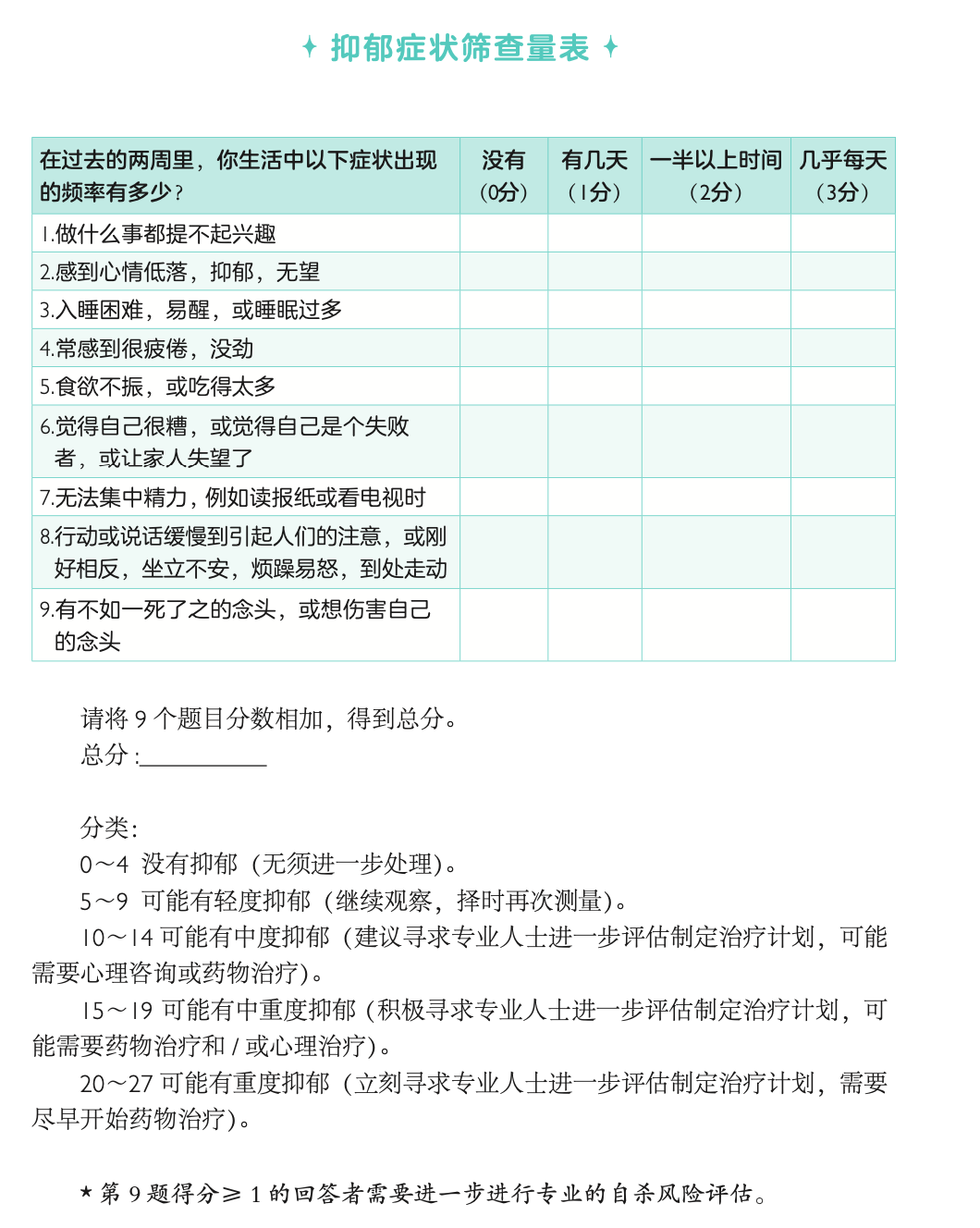 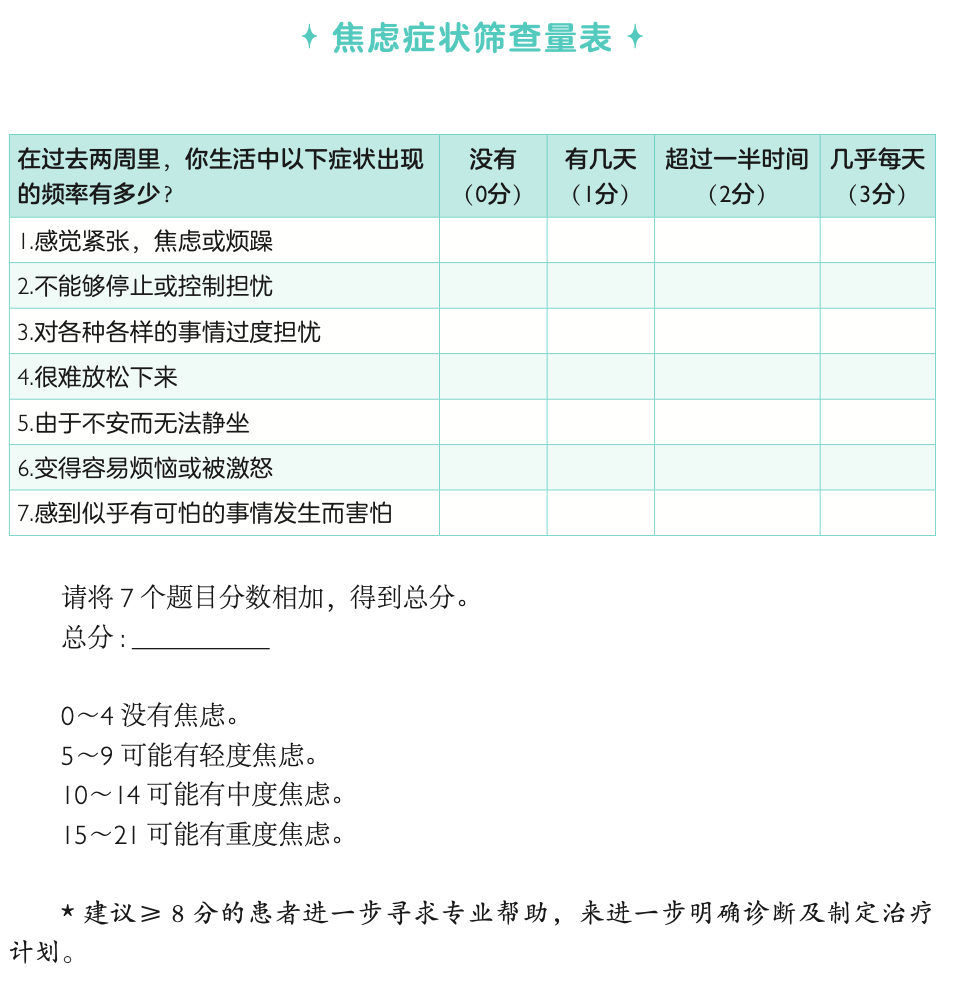 If not needed, regular exercise and mindful breathing are helpful. Additionally, regular exercise at this stage not only relieves stress-induced imbalance but also addresses energy imbalance. Thus, it is no longer just for fitness or pushing limits. Exercise now acts as medicine—"Exercise is medicine"—and requires a prescription specifying type, intensity, frequency, and duration. For each "high," we have provided specific plans in the respective courses. If you have multiple "highs," don't worry—these plans rarely conflict. You can use their intersection. In summary, the intersection is 50 minutes per session, 3-5 times per week, moderate-intensity aerobic exercise. This prescription suits most cases.


Comments
Post a Comment